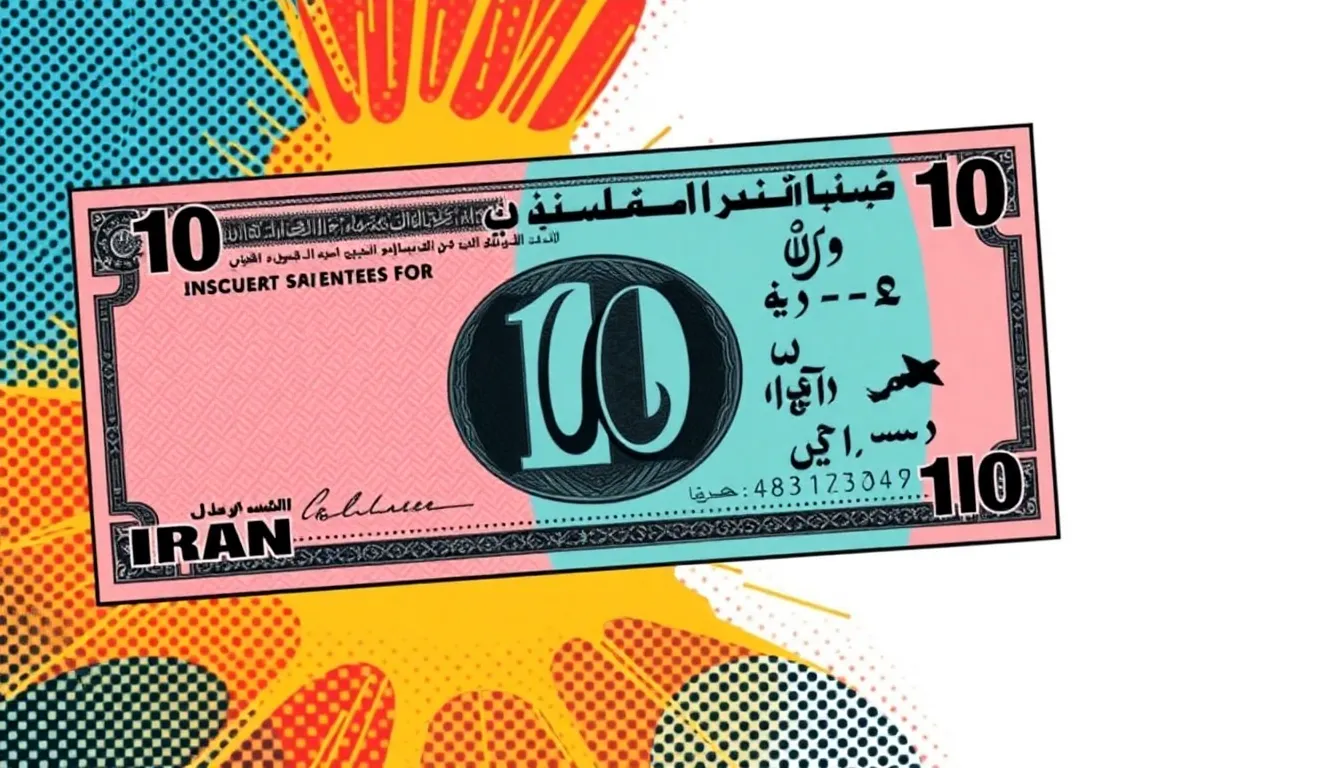
In a historic move, the Central Bank of Iran has introduced a new banknote valued at 10 million rials, the highest denomination ever issued in the country. This new note is equivalent to just over 7 US dollars or slightly more than 600 rubles. The introduction of such a substantial banknote highlights the growing concerns regarding cash availability amidst rising inflation levels. The Central Bank emphasized that this new measure aims to ensure public access to cash, despite the current stability of electronic payment systems and internet banking.
The decision to issue a 10 million rial banknote comes in response to a surge in demand for cash among Iranian residents. Many people are increasingly wary of relying solely on electronic payment methods, fearing potential interruptions in service. As a result, long queues have formed outside banks as individuals strive to withdraw cash to secure their financial stability. This phenomenon illustrates a deep-rooted mistrust in the banking system, exacerbated by limits on cash withdrawals imposed by financial institutions.
Despite assurances from the Central Bank regarding the sufficiency of cash supply, the public's anxiety continues to mount. According to the Financial Times, inflation in Iran was recorded at a staggering 47.5% in February, prior to the onset of the current geopolitical tensions. Such high inflation rates contribute to the increasing cost of living, forcing citizens to seek out cash as a means of managing their financial obligations. The issuance of the 10 million rial banknote aims to alleviate some of these pressures, but it also raises questions about the long-term implications for the economy.
Before the release of this new banknote, the highest denomination in circulation was 5 million rials, introduced earlier in February. This rapid increase in banknote values underscores the challenges faced by the Iranian economy and the need for monetary reform. The Central Bank's decision to introduce a note of such a high denomination signals a critical moment in Iran's economic history, reflecting the ongoing struggle against inflation and the public's quest for financial security.
While the Central Bank has reiterated the stability of electronic payment systems, the persistent fear of cash shortages has driven many to withdraw larger sums of money than usual. This behavior not only reflects a lack of confidence in the banking sector but also indicates a broader economic unease among the population. As people increasingly opt for cash transactions, it raises concerns about the potential impact on the overall economy and the banking infrastructure.
The implications of this decision are far-reaching. The introduction of a 10 million rial banknote may provide temporary relief to those anxious about cash availability, but it also poses questions about the sustainability of such measures in the face of persistent inflation. As citizens navigate this evolving financial landscape, the government's ability to address these economic challenges will be scrutinized. Experts suggest that without comprehensive reforms, the public's mistrust may continue to grow.
In conclusion, the launch of the 10 million rial banknote marks a pivotal moment for Iran's economy. It reflects the urgent need for effective monetary policy in response to rising inflation and the public's demand for cash. As the situation unfolds, observers will be keen to see how these developments influence both the banking sector and the everyday lives of Iranian citizens, who are striving for stability amid economic uncertainty.