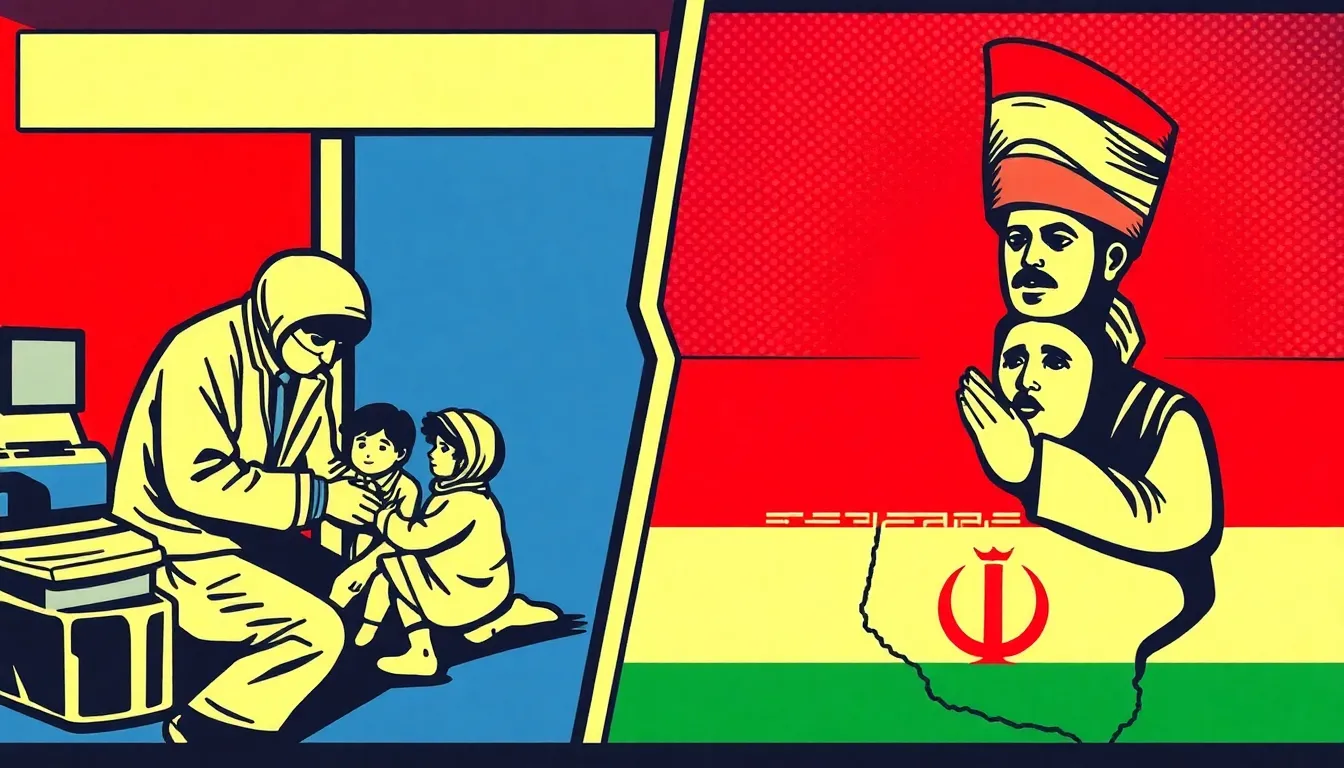
In Lebanon, Dr. Ghassan Abu-Sittah, a British-Palestinian pediatrician, is making a profound impact in the field of emergency medicine. He is working at the American University of Beirut Medical Center, where he treats children severely injured by the relentless bombardments that have persisted for three weeks. Reports indicate a tragic toll of 118 children killed and approximately 370 injured, with many suffering from critical conditions requiring immediate surgical intervention.
Dr. Abu-Sittah describes harrowing cases involving limb amputations, traumatic brain injuries, and extensive shrapnel wounds. He underscores the urgent need for enhanced medical resources and support, as the healthcare system struggles to cope with the influx of critically injured patients. The situation reflects the devastating impact of the ongoing conflict on the youngest and most vulnerable members of society.
Simultaneously, in Iran, the atmosphere is charged with tension following a series of air strikes that targeted the capital, Tehran. During the Eid al-Fitr prayers, mourners gathered for a funeral honoring Ali Mohammad Naini, a spokesperson for the IRGC, who was reportedly killed in a US-Israel attack. These developments contribute to the escalating conflict involving Iran, the US, and Israel, highlighting the complexities of regional dynamics.